
A beautiful home does not require expensive furniture, a complete renovation, or professional design services. Often, the biggest improvement comes from understanding how you use your space, choosing colors that work together, and making thoughtful changes to furniture, lighting, and accessories.
The best TheHomeTrotters .com Home Decor Ideas focus on balancing appearance with everyday comfort. Whether you live in a small apartment, a rented property, or a family house, you can create a welcoming interior by working with what you already have and making purchases only when they solve a genuine problem.
This guide explains how to plan a room, select colors, improve lighting, organize small spaces, and decorate on a realistic budget.
Start with a Clear Home Decorating Plan
Before buying decorative accessories or repainting walls, decide what you want each room to accomplish. A living room might need comfortable seating for family gatherings, while a bedroom should support rest and provide practical storage.
Begin by observing how you currently use the room. Notice where clutter collects, which areas feel dark, and whether furniture makes it difficult to move around. These observations help you identify improvements that matter more than following a temporary trend.
Measure the room and record the dimensions of major furniture pieces before purchasing anything new. This simple step can prevent costly mistakes, particularly when shopping for sofas, wardrobes, rugs, and dining tables.
Create a small inspiration board with colors, materials, and room photographs you genuinely like. Look for recurring details rather than copying an entire room. If you repeatedly choose natural wood, soft fabrics, and muted colors, those preferences can become the foundation of your design.
The most useful TheHomeTrotters .com Home Decor Ideas begin with a practical plan instead of a shopping list. A clear direction helps you avoid mismatched purchases and create a more consistent appearance throughout your home.
Choose a Color Palette That Connects the Room
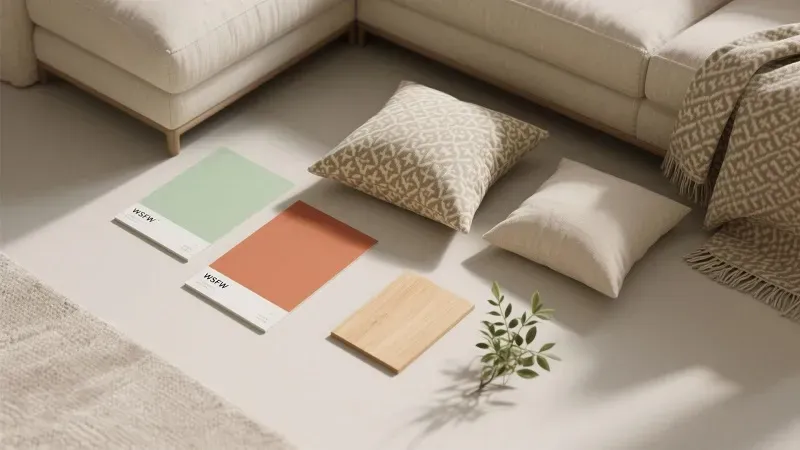
Color influences the way a room looks and feels. However, the right palette depends on natural light, existing furniture, room dimensions, and personal preference.
Neutral colors such as cream, beige, warm white, and soft gray provide a flexible background. They can work particularly well when you want artwork, textiles, or furniture to attract attention without making the entire room visually busy.
If neutral walls feel too plain, introduce color through cushions, curtains, rugs, lampshades, or a single painted feature. Deep green, navy blue, terracotta, and muted mustard can add character when used thoughtfully.
Test Colors Before Committing
Paint samples can appear different under daylight, evening lighting, and artificial bulbs. Test a few options on small wall sections and observe them at different times of day before making a final choice.
Consider the colors of permanent features, including flooring, kitchen cabinets, countertops, and large furniture pieces. Your new palette should complement these elements rather than compete with them.
You do not need to use exactly the same colors in every room. Instead, repeat one or two details, such as wood tones or accent colors, to create a gentle connection between spaces.
Make the Living Room Comfortable and Inviting
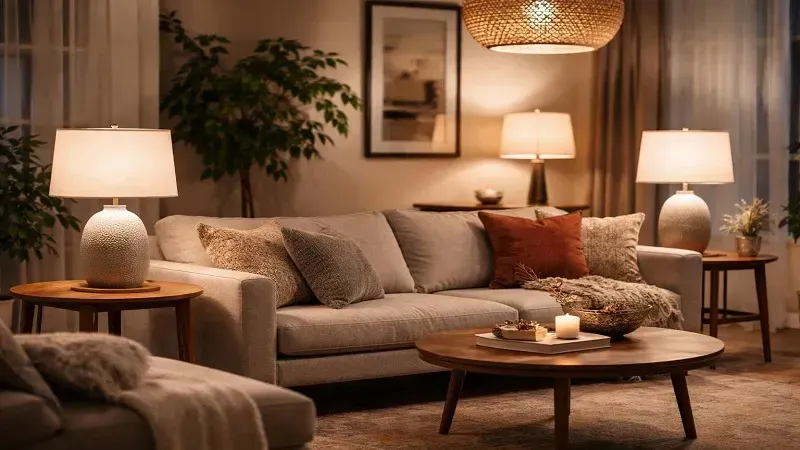
The living room often serves several purposes. It may be a place to relax, watch television, entertain guests, read, or spend time with family. Its design should support these activities without making the room feel crowded.
Start by arranging seating around a natural focal point, such as a window, fireplace, television, or central conversation area. Leave comfortable pathways between furniture and frequently used doors.
A rug can help define the seating area, particularly in an open-plan home. Choose a size that relates to the furniture rather than selecting one solely because it looks attractive in a shop.
Use Lighting in Layers
A single ceiling light may illuminate the room but leave corners feeling flat or uninviting. Combine general lighting with table lamps, floor lamps, or wall lights where appropriate.
Use brighter task lighting for reading and other focused activities. Softer lighting can create a relaxed atmosphere in the evening. If possible, select compatible bulbs so the room does not have an inconsistent mix of light colors.
For additional inspiration, TheHomeTrotters .com Home Decor Ideas can be approached through simple changes such as moving a lamp, rearranging cushions, displaying meaningful artwork, or introducing a textured throw.
Avoid filling every available surface with ornaments. A few carefully selected objects usually provide more visual clarity than numerous unrelated accessories.
Create a Relaxing and Organized Bedroom
A bedroom should feel comfortable, personal, and easy to maintain. Start with the bed because it is often the room’s largest piece of furniture and naturally attracts attention.
Choose bedding that feels comfortable in your climate. Layering a duvet, blanket, and a small selection of cushions can add texture, but too many decorative items may become inconvenient when making the bed each day.
Keep frequently used belongings accessible while storing occasional items elsewhere. Bedside drawers, under-bed containers, wardrobe organizers, and wall-mounted shelves can help manage clutter when chosen to suit the available space.
Use Color and Texture Thoughtfully
Soft neutrals, muted greens, dusty blues, and warm earth tones are options worth testing if you want a calm atmosphere. No particular color guarantees better sleep, so prioritize your own comfort and the amount of light in the room.
Introduce texture through curtains, bedding, rugs, and upholstered furniture. Combining a few different materials can make a simple color scheme feel more interesting without requiring additional decorative objects.
Where space permits, create a small reading corner with a comfortable chair and a suitable light. In smaller bedrooms, a clear bedside surface and an uncluttered floor may offer greater benefits than adding more furniture.
Improve Small Spaces Without Overcrowding Them
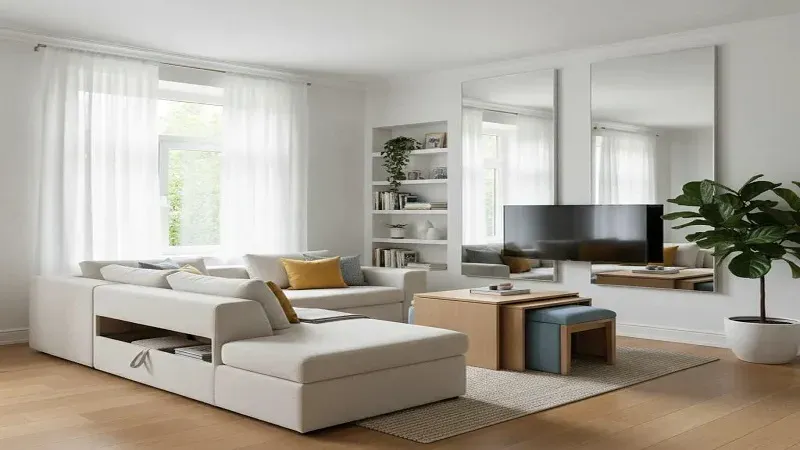
Small rooms can be challenging because every furniture choice affects movement and storage. The goal is not to make the room appear empty but to use the available space efficiently.
Choose furniture according to the room’s measurements. A compact sofa or narrow console may work better than an oversized piece that blocks a walkway. Furniture with built-in storage can also help when you need somewhere to keep blankets, books, or household items.
Make use of vertical space with shelves, hooks, and tall storage units that fit securely and suit the room. Keep frequently used items within easy reach, and avoid placing heavy objects where they could fall.
Mirrors can reflect light and create a greater sense of depth when positioned thoughtfully. However, they will not physically enlarge a room, and their placement should account for privacy and glare.
Make Multifunctional Furniture Work Harder
In a studio or compact living room, a storage ottoman can provide seating and a place to keep small belongings. A folding table may help when dining and working areas share the same space.
Before buying multifunctional furniture, check how it operates in practice. A fold-out table needs enough clearance, while a storage bed must remain accessible for opening and cleaning.
Useful TheHomeTrotters .com Home Decor Ideas for small homes focus on solving specific problems. Measure first, preserve clear walking routes, and choose furniture that serves a genuine purpose rather than adding pieces simply to fill empty corners.
Refresh Your Kitchen and Bathroom with Simple Changes
Kitchens and bathrooms often benefit from organization before decoration. Counters crowded with appliances, toiletries, and miscellaneous items can make even a well-maintained room look busy.
In the kitchen, group everyday cooking tools near the areas where you use them. Drawer dividers, shelf organizers, and storage containers can help make cupboards easier to manage. Keep frequently used appliances accessible while storing occasional equipment elsewhere.
If you want a visual refresh, consider replacing worn cabinet handles, updating a suitable light fixture, or displaying a small number of useful objects. Check compatibility and installation requirements before changing fittings.
In the bathroom, coordinated towels, a clean mirror, matching storage containers, and an uncluttered vanity can create a more considered appearance. Choose materials and accessories that tolerate the room’s moisture levels.
Avoid placing ordinary decorative items where they may become slippery, damaged, or difficult to clean. Plants should be selected according to the room’s actual light and humidity, rather than appearance alone.
Decorate on a Realistic Budget
A decorating budget should cover more than the headline price of furniture. Delivery, installation, tools, paint preparation, and replacement hardware can add to the total cost.
Begin with changes that cost little or nothing. Rearrange furniture, remove items you no longer use, clean lampshades, reorganize shelves, and display belongings you already appreciate.
Next, identify one or two improvements that would make the largest difference. Fresh cushion covers may refresh a living room, while improved bedside lighting could make a bedroom more useful. Focus on the problem you want to solve rather than purchasing several unrelated accessories.
Repurpose Before Replacing
An older wooden table may need cleaning and refinishing rather than replacement. A sturdy chair could work in another room, and existing frames may look different when arranged as a coordinated gallery.
Before painting or modifying furniture, check its condition and material. Some finishes require specialist preparation, and valuable or antique pieces may be better left unchanged.
When comparing products, consider durability, cleaning requirements, dimensions, and repairability alongside appearance. A low initial price does not necessarily mean better value if an item needs frequent replacement.
The most practical TheHomeTrotters .com Home Decor Ideas encourage gradual improvement. Complete one room or one clearly defined task at a time, then assess whether the result meets your needs before spending more.
Add Personality Without Creating Clutter
A home feels personal when its details reflect the people who live there. Family photographs, handmade objects, books, artwork, and meaningful souvenirs can all contribute to a distinctive interior.
Choose items because they matter to you or work well within the room, not simply because they are fashionable. Display collections in small groups and leave some surrounding space so each item remains visible.
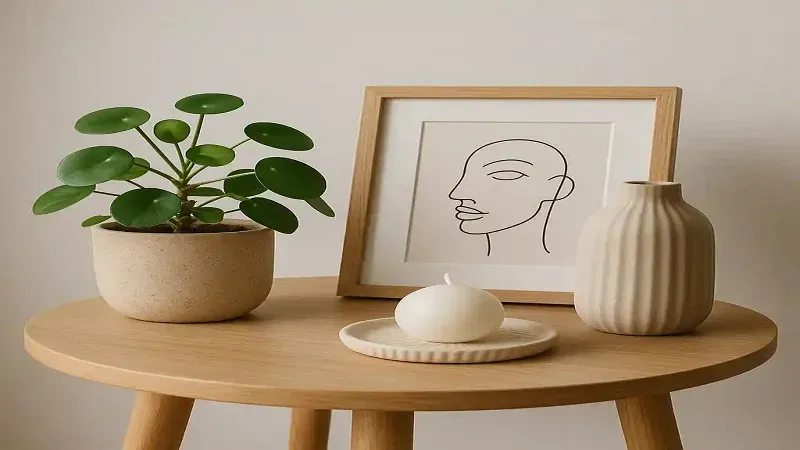
Plants can introduce natural color and texture, but select varieties according to available daylight, temperature, and your willingness to maintain them. If you have pets or young children, check plant safety before bringing a new variety home.
Artwork should relate to the wall and nearby furniture in scale. A single larger piece may suit one area, while a balanced arrangement of smaller frames may work better elsewhere. Lay out a gallery arrangement on the floor before making holes in the wall.
You can also incorporate seasonal details, such as lighter fabrics in warmer months or thicker throws during colder weather. Store seasonal accessories carefully so changing the look does not create unnecessary clutter.
Common Decorating Mistakes to Avoid
One common mistake is buying furniture before measuring the room. A beautiful piece can become impractical if it blocks doors, restricts movement, or leaves insufficient space for everyday activities.
Another is choosing every item separately without considering the overall palette. Individual purchases may look attractive but create a disjointed room when their colors, proportions, or materials compete.
Poor lighting can also undermine a carefully decorated space. Consider how the room functions during daylight and after dark, and make sure important activities have suitable illumination.
Finally, avoid treating every decorating trend as a requirement. A trend may inspire an idea, but it should not determine what you buy or how you arrange your home. Prioritize comfort, maintenance, available space, and personal taste.
A Simple Plan for Your Next Decorating Project
Start by identifying one room that needs attention. Write down three practical problems, such as insufficient storage, uncomfortable lighting, or a furniture arrangement that restricts movement.
Set a spending limit and decide which changes can be made using items you already own. Measure the room, test your preferred colors, and research any products or materials you genuinely need.
Make the first changes, then live with the arrangement before making additional purchases. This allows you to see whether the improvement works in everyday use instead of judging the room only by its appearance immediately after decorating.
The best TheHomeTrotters .com Home Decor Ideas are not about making every room look like a showroom. They are about creating spaces that support daily routines, reflect personal taste, and remain comfortable over time.
Conclusion
Good home decorating begins with observation, planning, and a clear understanding of what each room needs. Thoughtful color choices, functional furniture arrangements, suitable lighting, and well-managed storage can improve a home without requiring a complete renovation.
Start small, reuse what you can, and spend carefully on improvements that solve real problems. By making deliberate choices and reviewing each change before moving on, you can create a home that feels welcoming, organized, and genuinely suited to your lifestyle.
FAQ section
What is the easiest way to improve home decor?
Start by decluttering, rearranging existing furniture, improving lighting, and coordinating textiles. These changes can improve a room without requiring major renovation or expensive purchases.
How can I decorate my home on a small budget?
Reuse existing furniture, shop carefully for secondhand items, update cushion covers, and prioritize improvements that solve practical problems. Set a spending limit before buying anything.
How do I make a small room look more spacious?
Choose appropriately sized furniture, maintain clear pathways, use vertical storage, and keep the color scheme coordinated. Mirrors can create a sense of depth when positioned well.
Which colors work best for home decoration?
Cream, beige, soft gray, muted green, and blue are useful starting points. The best choice depends on natural light, existing furnishings, room function, and your personal preferences.
How can I find useful decorating inspiration?
Browse interior design publications, compare room layouts, collect color references, and evaluate ideas against your space and budget. The goal of TheHomeTrotters .com Home Decor Ideas is to help readers turn inspiration into practical improvements rather than copy a design without considering their own needs.
Do I need a professional designer to decorate my home?
Not always. Many straightforward changes, including rearranging furniture, organizing storage, and choosing accessories, can be handled independently. Professional advice may be valuable for complex layouts, structural work, or projects involving electrical systems.