
TheHometrotters Home Decor Ideas for a Welcoming Living Room
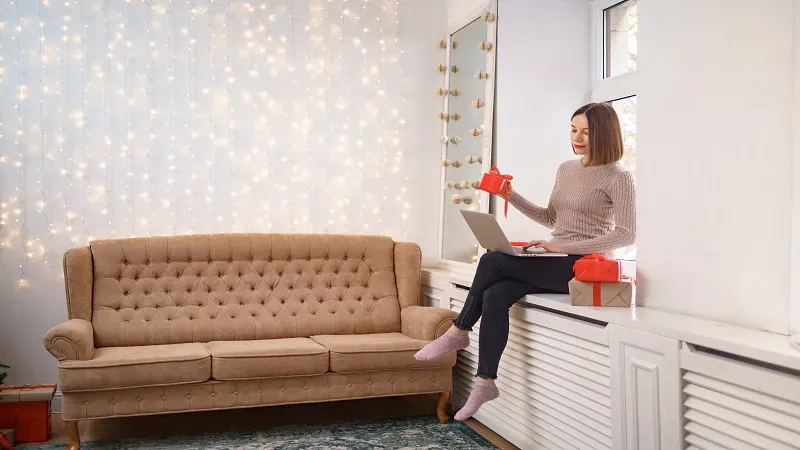
The living room is often the main gathering space in a home, so it should feel comfortable and inviting. Start by arranging furniture in a way that allows people to talk easily and move around without difficulty. A sofa, a few comfortable chairs, and a small coffee table can create a balanced arrangement.
Use cushions, rugs, curtains, and artwork to add personality without overcrowding the room. TheHometrotters Home Decor Ideas can inspire homeowners to combine practical furniture with simple decorative details that make the room feel warm and organized.
TheHometrotters Home Decor Ideas for Small Spaces
Small rooms can look stylish when every item has a purpose. Avoid filling limited spaces with large furniture or too many decorations. Instead, choose furniture that provides storage, such as ottomans, cabinets, or beds with drawers.
Mirrors can also make a small room appear larger by reflecting light and creating a greater sense of openness. Light-colored walls and simple furniture can further improve the appearance of a compact space. These TheHometrotters Home Decor Ideas show that size does not have to limit creativity.
TheHometrotters Home Decor Ideas for Choosing Colors
Color plays an important role in the appearance and mood of a room. Soft neutral shades can create a calm and timeless environment, while stronger colors can add energy and character.
A simple approach is to select one main color, one supporting shade, and one accent color. For example, white or beige walls can be combined with wooden furniture and green decorative elements. Following TheHometrotters Home Decor Ideas can help create a color scheme that feels coordinated rather than random.
TheHometrotters Home Decor Ideas for Comfortable Bedrooms
A bedroom should be peaceful, comfortable, and easy to maintain. Start with a suitable bed, comfortable bedding, and practical bedside tables. Avoid unnecessary furniture that can make the room feel crowded.
Curtains, soft lighting, and a small rug can add warmth to the space. Choose colors that encourage relaxation, such as soft beige, light blue, cream, or muted green. With these TheHometrotters Home Decor Ideas, even a simple bedroom can feel pleasant and personal.
TheHometrotters Home Decor Ideas for Modern Kitchens
The kitchen should combine beauty with functionality. Keep frequently used items within easy reach while storing less-used appliances inside cabinets. Open shelves can be attractive, but they should not become cluttered.
Adding plants, wooden accessories, attractive containers, or simple wall art can make the kitchen feel more welcoming. Good lighting is equally important, especially around work areas. TheHometrotters Home Decor Ideas encourage practical decorating choices that improve both appearance and everyday use.
TheHometrotters Home Decor Ideas for Budget-Friendly Decorating
Decorating a home does not have to be expensive. Small changes can make a noticeable difference. Rearranging existing furniture, changing cushion covers, adding plants, or creating simple wall decorations can refresh a room.
Secondhand furniture can also provide character when it is cleaned, repaired, or given a new finish. Instead of buying many items at once, focus on one area at a time. This approach makes TheHometrotters Home Decor Ideas practical for homeowners working with limited budgets.
TheHometrotters Home Decor Ideas for Better Lighting
Lighting can completely change how a room looks. Natural light should be used whenever possible. Keep windows clear and choose curtains that allow daylight to enter while still providing privacy.
At night, combine different types of lighting instead of depending on one bright ceiling light. Floor lamps, table lamps, wall lights, and small decorative lights can create different moods. Using TheHometrotters Home Decor Ideas for lighting can make rooms appear warmer and more comfortable.
TheHometrotters Home Decor Ideas for Minimalist Interiors
Minimalist decorating focuses on simplicity, useful furniture, and open space. It does not mean that a room must be empty. Instead, every item should have a purpose or add meaningful visual interest.
Choose furniture with clean shapes and avoid unnecessary decorations. Keep surfaces organized and use storage solutions to hide items that are not needed regularly. TheHometrotters Home Decor Ideas can help homeowners create simple interiors that remain practical and attractive.
TheHometrotters Home Decor Ideas for Natural Elements
Natural materials can make indoor spaces feel calm and welcoming. Wooden furniture, woven baskets, cotton fabrics, stone accessories, and indoor plants are easy ways to introduce natural elements.
Plants can also improve the visual character of a room by adding texture and a touch of greenery. Choose plants according to the available light and the amount of care you can provide. Incorporating TheHometrotters Home Decor Ideas around natural materials can create a balanced connection between indoor comfort and nature.
TheHometrotters Home Decor Ideas for Wall Decoration
Empty walls provide an opportunity to add personality to a home. Artwork, photographs, mirrors, shelves, and decorative panels can all be used to create visual interest.
However, wall decoration should be planned carefully. Hanging too many pieces together can make a room look busy. A large artwork can work well as a focal point, while smaller pieces can be arranged as a gallery wall. TheHometrotters Home Decor Ideas can help homeowners use wall space creatively without making the room feel crowded.
TheHometrotters Home Decor Ideas for Home Organization
Good organization is an important part of attractive home decor. Even beautiful furniture and decorations can look messy when everyday belongings have no proper place.
Use baskets, storage boxes, cabinets, shelves, and drawer organizers to keep items under control. Organize one room at a time and remove things that are no longer useful. Applying TheHometrotters Home Decor Ideas to organization can make a home look cleaner while making daily activities easier.
TheHometrotters Home Decor Ideas for Seasonal Changes
Seasonal decorating can refresh a home without requiring a complete makeover. During warmer months, lighter fabrics and fresh colors can make rooms feel brighter. In colder seasons, thicker blankets, textured cushions, rugs, and warm lighting can create a comfortable atmosphere.
There is no need to replace everything when the season changes. Simply changing a few accessories can produce a different look. TheHometrotters Home Decor Ideas can be adapted throughout the year according to weather, mood, and personal preference.
TheHometrotters Home Decor Ideas for Creating a Cozy Home
A cozy home is not necessarily filled with expensive decorations. Comfort often comes from soft textures, suitable lighting, organized spaces, and familiar personal items.
Add comfortable cushions, warm blankets, rugs, and pleasant lighting to areas where people spend the most time. Family photographs, books, artwork, or meaningful objects can also make a space feel personal. Using TheHometrotters Home Decor Ideas with a focus on comfort can create rooms that feel welcoming rather than overly designed.
TheHometrotters Home Decor Ideas for Choosing Furniture
Furniture should match both the size of the room and the needs of the people using it. Before purchasing anything, measure the available space and consider how doors, windows, and walking paths will be affected.
Quality does not always mean choosing the most expensive option. Look for strong construction, comfortable materials, and designs that can remain useful for several years. TheHometrotters Home Decor Ideas support choosing furniture based on comfort, function, proportion, and long-term value.
TheHometrotters Home Decor Ideas for Personal Style
A home should reflect the people who live in it. Trends can provide inspiration, but copying every popular style may not create a comfortable or personal environment.
Think about colors, materials, patterns, and objects that you naturally enjoy. Combining a few favorite pieces with simple furniture can produce a distinctive look. The best TheHometrotters Home Decor Ideas are those that can be adapted to individual preferences rather than followed as strict rules.
TheHometrotters Home Decor Ideas for Entryways
The entryway creates the first impression of a home. Keep this area clean, organized, and functional. A small bench, shoe cabinet, mirror, or wall hooks can make the space more useful.
A plant, small artwork, or decorative bowl can add character without taking up much room. Since entryways are often limited in size, avoid unnecessary furniture. TheHometrotters Home Decor Ideas can help turn even a narrow entrance into a practical and attractive part of the home.
TheHometrotters Home Decor Ideas for a Home Office
A home office should support concentration while still feeling comfortable. Choose a desk with enough working space and a chair that provides proper support. Keep cables, stationery, and documents organized.
Natural light is useful, but a good desk lamp is important for evening work. A few plants or simple decorative pieces can make the area more pleasant without creating distractions. TheHometrotters Home Decor Ideas can be applied to create a workspace that balances productivity and style.
TheHometrotters Home Decor Ideas for Refreshing Your Home
Sometimes a home needs only a small refresh rather than a complete transformation. Move furniture into a new arrangement, replace old textiles, reorganize shelves, or introduce a few new decorative elements.
Cleaning and decluttering should come before buying new items. Once unnecessary belongings are removed, the existing space may already look significantly better. TheHometrotters Home Decor Ideas emphasize thoughtful changes that can improve a room without requiring major work.
TheHometrotters Home Decor Ideas for a Balanced Interior
Balance is one of the most important principles of home decoration. Furniture, colors, patterns, textures, and decorative objects should work together rather than compete for attention.
Avoid placing all large furniture on one side of a room or using too many strong patterns in a small area. Mix different textures while maintaining a consistent color palette. By applying TheHometrotters Home Decor Ideas with balance in mind, homeowners can create interiors that feel organized, comfortable, and visually pleasing.
Conclusion
Good home decor is about creating a space that looks attractive while supporting everyday life. The best decorating choices consider comfort, organization, lighting, color, available space, and personal taste. Expensive changes are not always necessary; small improvements can have a meaningful impact when they are planned carefully.
Whether you are decorating a living room, bedroom, kitchen, office, or small apartment, simple ideas can help you achieve a fresh and comfortable environment. TheHometrotters Home Decor Ideas can serve as inspiration for making practical improvements while keeping your home’s unique character. The most successful approach is to decorate gradually, choose useful pieces, avoid unnecessary clutter, and create a space that genuinely feels like home.